
Subtotal $0.00

Everyone deserves to feel seen, heard, and respected, when it comes to healthcare.
This is especially true for individuals with disabilities, who often face unique challenges in their daily lives.
One of the best ways to ensure they receive the care they need is through person-centered care.
But what exactly is person-centered care, and why is it so important?
Let’s walk you through it…
What Is Person-Centered Care?
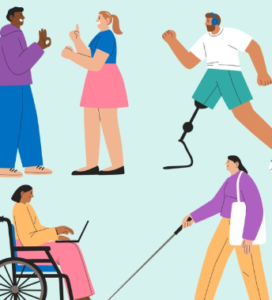
This concept is all about putting the individual at the center of their care.
Meet Sarah, a bright and adventurous young woman who’s lived with a physical disability since childhood.
She’s learned to adapt, but navigating the healthcare system often feels like a daunting obstacle course.
One day, Sarah meets a healthcare team that’s different.
They take the time to listen to her story, her fears, and her dreams.
They ask her about her goals, her preferences, and her values.
For the first time, Sarah feels truly seen and heard.
Her care team works with her to create a personalized plan that addresses her unique needs and aspirations.
With person-centered care, Sarah’s healthcare journey is transformed.
She feels empowered, confident, and in control.
Her care team becomes her partners, working together to achieve her goals.
This is the power of person-centered care!
It’s not just an approach, it’s a mindset shift.
It’s recognizing that every individual has a unique story, and that their care should reflect that.
By putting the person at the center of their care, we can create a more compassionate, effective, and personalized healthcare system.
A system that honors the dignity and autonomy of every individual.
Why Is Person-Centered Care Important For Someone With Disabilities?

Let’s all agree that the usual healthcare systems can be slow, impersonal, and often don’t offer the flexibility that people with disabilities need.
That’s where person-centered care comes in.
It provides a more flexible, empathetic, and effective approach to meeting the needs of individuals with disabilities.
By focusing on the person, their preferences, and their goals, person-centered care offers a much more fulfilling way of caring for those with disabilities.
It empowers individuals to take charge of their lives, feel valued, and maintain their dignity.
It’s not just about meeting medical needs; it’s about improving quality of life.
-
Tailored Care to Meet Individual Specialized Needs
Every person is unique, and so are their needs.
Someone with a disability may require specific care that takes into account their physical, emotional, and social needs.
With person-centered care, caregivers and healthcare providers work with the individual and their family to create a care plan that’s customized just for them.
This could mean helping with daily activities like dressing, eating, or managing medication.
It could also mean supporting emotional well-being, helping the individual cope with mental health challenges, or providing social opportunities.
This concept is designed to help individuals with disabilities live as independently and comfortably as possible.
-
To Promote Emotional and Mental Well-Being
People with disabilities can often face emotional and mental health challenges due to isolation, discrimination, or frustration with their condition.
Person-centered care understands that mental and emotional health is just as important as physical health.
Caregivers are trained to be compassionate, empathetic, and supportive, helping the individual manage stress, anxiety, or depression.
By taking the time to understand their emotional needs, caregivers can provide the right kind of support—whether it’s offering a listening ear, encouraging activities that bring joy, or providing assistance with mental health resources.
-
For Better Communication and Trust
When care is person-centered, communication is key.
It’s about making sure that the people with a disability feel comfortable and confident in their care.
This means the care giver should have time to talk to them, ask about their preferences, and make sure they understand their care plan.
Clear communication helps to build trust between the individual and their caregivers.
When trust is present, the person is more likely to feel open and safe in their care.
This is important for people who may feel vulnerable due to their disability or other health conditions.
Conclusion
Ensuring that individuals with disabilities receive the best care possible is not just about meeting basic healthcare needs.
It’s about providing a compassionate, and personalized experience.
Why not make things easier for yourself today, contact us, and let’s take it up for you.


