
Subtotal $0.00

Germs are everywhere, and they can cause a variety of illnesses. By maintaining a clean environment, you can significantly reduce the risk of spreading germs and keeping yourself and your loved ones healthy. This blog post will explore how cleaning helps prevent the spread of germs and provide practical tips for maintaining a clean and hygienic home.
Understanding Germs and Their Spread
Germs, or microorganisms, can be found on surfaces, in the air, and on other people. They can spread through direct contact, indirect contact, and airborne transmission. Direct contact occurs when you touch an infected person or contaminated surface and then touch your mouth, nose, or eyes. Indirect contact occurs when you touch a contaminated object and then touch your face. Airborne transmission occurs when germs are released into the air and inhaled.
The Importance of Regular Cleaning
Regular cleaning is essential for removing germs and preventing their spread. By cleaning surfaces and objects regularly, you can reduce the number of germs present in your home and reduce the risk of infection. Cleaning also helps to remove allergens and other pollutants that can trigger respiratory problems.
Effective Cleaning Techniques
To effectively clean and disinfect surfaces, follow these guidelines:
Use a Cleaning Solution: Choose a cleaning solution that is effective against germs, such as a disinfectant or all-purpose cleaner.
Scrub Surfaces: Use a clean cloth or sponge to scrub surfaces thoroughly.
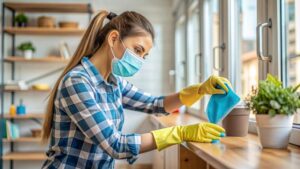
Pay Attention to High-Touch Areas: Focus on high-touch areas, such as door handles, light switches, and countertops, as these are more likely to be contaminated.
Clean Regularly: Clean surfaces regularly, especially after someone in your household is sick.
Wash Hands Frequently: Wash your hands with soap and water for at least 20 seconds after using the bathroom, before preparing food, and after coming into contact with sick individuals.
Specific Cleaning Tips
Kitchen: Clean countertops, stovetops, and sink areas regularly. Wash dishes and utensils thoroughly.
Bathroom: Clean toilets, sinks, and shower surfaces daily. Disinfect sponges and scrubbers regularly.
Bedroom: Wash bedding regularly, including sheets, pillowcases, and blankets. Dust surfaces and vacuum regularly.
Living Room: Vacuum carpets and rugs regularly. Dust furniture and electronics.
Laundry Room: Wash laundry in hot water and dry it thoroughly. Clean the washing machine regularly to prevent the growth of mold and mildew.
Additional Tips for Germ Prevention
Practice Good Hygiene: Cover your mouth and nose when coughing or sneezing. Wash your hands frequently.
Avoid Sharing Personal Items: Avoid sharing personal items, such as toothbrushes, razors, or towels.
Ventilate Your Home: Open windows and doors to improve air circulation and reduce the buildup of germs.
Clean Common Areas: If you live in a shared living space, such as an apartment building or dormitory, make sure to clean common areas regularly.
Consider Using a HEPA Air Purifier: A HEPA air purifier can help to remove airborne particles, including germs, from your home.
Keep Pets Clean: Regularly groom your pets and clean their bedding to prevent the spread of germs.
Educate Others: Teach children and other household members about the importance of good hygiene and cleanliness.
The Benefits of a Clean Home
In addition to preventing the spread of germs, a clean home can have many other benefits. These include:
Improved Health: A clean home can help to reduce the risk of respiratory problems, allergies, and other health issues.
Reduced Stress: A clean and organized home can help to reduce stress and anxiety.
Increased Productivity: A clean and clutter-free environment can help you to focus and be more productive.
Better Sleep: A clean and comfortable bedroom can help you to get a good night’s sleep.
Conclusion
By following these tips, you can help to create a healthier and safer environment for yourself and your loved ones. Remember, regular cleaning is an essential part of preventing the spread of germs and maintaining good health.


