
Subtotal $0.00
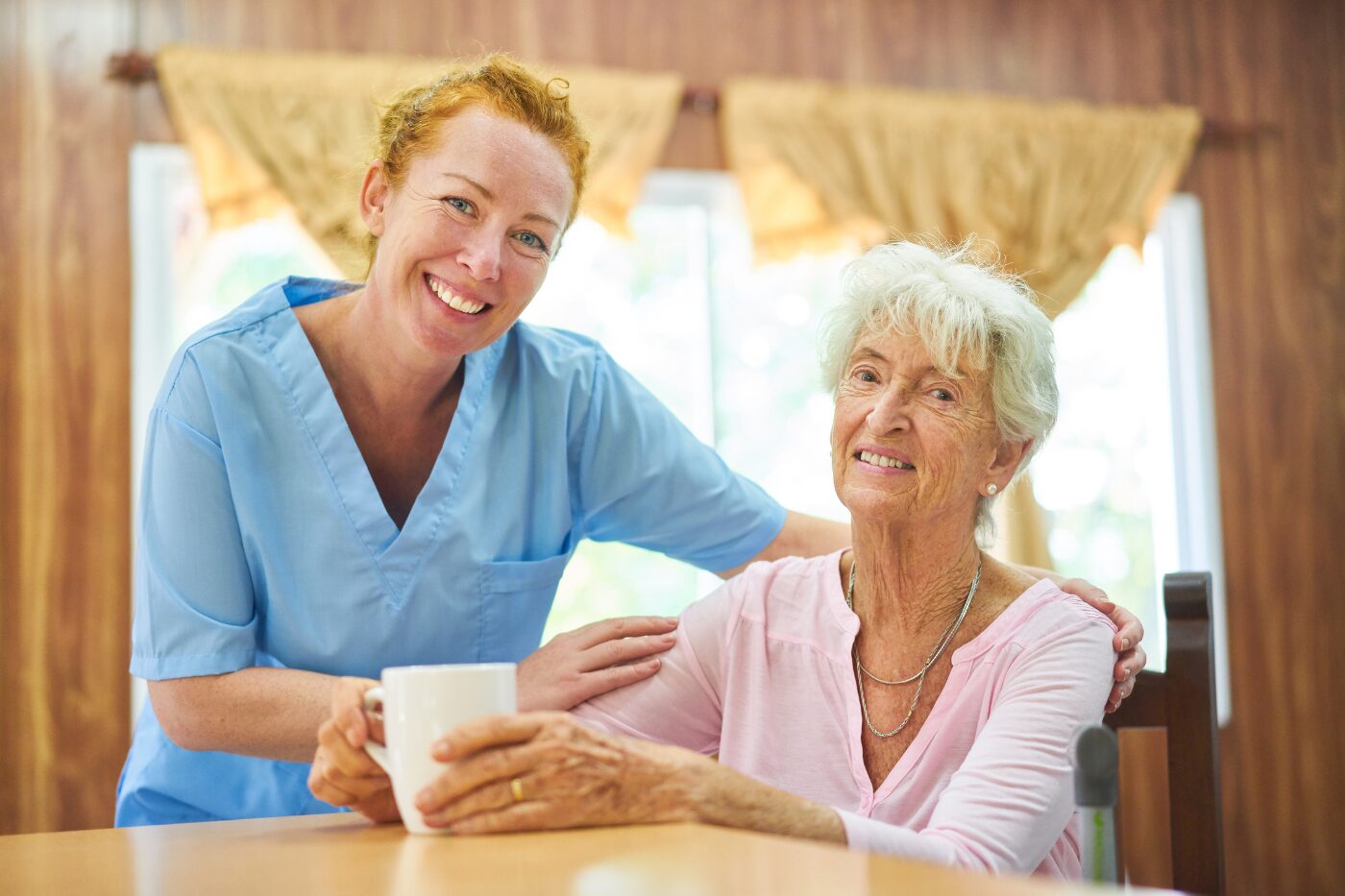
Caregiving is the cornerstone of a society that prioritizes well-being. It encompasses the act of providing support and assistance to individuals who, due to age, illness, disability, or other factors, cannot fully manage their daily lives. This essential role extends far beyond basic physical needs, encompassing emotional well-being, advocacy, and ensuring a dignified quality of life.
There are two primary forms of caregiving: formal and informal.
Formal caregivers are trained professionals employed in hospitals, nursing homes, and home healthcare agencies. They offer skilled assistance with daily living activities (ADLs) like bathing, dressing, and medication management.
Informal caregivers, on the other hand, are the backbone of the caregiving system. These unpaid individuals, often family members, spouses, partners, or close friends, provide care out of love, duty, and a sense of responsibility.
Their tasks may include a diverse range of responsibilities:
Physical Care: Assisting with personal hygiene, dressing, toileting, and mobility needs.
Meal Preparation and Management: Planning meals, grocery shopping, cooking, and ensuring the care recipient is adequately nourished.
Household Management: Taking care of domestic tasks like laundry, housekeeping, and errands.
Medication Management: Reminding the care recipient to take medication, monitoring for side effects, and refilling prescriptions.
Transportation: Providing transportation to appointments, social events, or errands.
Emotional Support: Offering companionship, empathy, and a listening ear during challenging times.
Advocacy: Communicating with healthcare providers, managing legal and financial affairs, and ensuring the care recipient’s rights and needs are met.
What is the Significance of Caregiving?
Caregiving matters for several crucial reasons. It allows individuals to remain in their homes and communities longer, promoting independence and dignity. For families, it provides a crucial safety net, ensuring that loved ones receive the care they need. From a societal perspective, caregiving significantly reduces the burden on healthcare systems by managing chronic conditions and preventing unnecessary hospitalizations.
Beyond these practical benefits, caregiving fosters a sense of connection and well-being in both the caregiver and the recipient. Providing care allows individuals to express love and support, while for the care recipient, receiving assistance fosters a sense of security and belonging. Caregiving can also be a source of personal growth for the caregiver, offering opportunities to develop patience, empathy, and resilience.

What are the challenges of Caregiving?
The path of caregiving is not without its challenges. Caregivers often face significant physical strain, especially when assisting with mobility or providing personal care. Back pain, fatigue, and injuries from lifting or transferring the care recipient can be a common experience.
The emotional toll can be equally demanding. Witnessing a loved one’s decline, making difficult decisions regarding care, and feeling overwhelmed by responsibilities can lead to stress, anxiety, depression, and even burnout.
Social isolation is another significant challenge. The time and energy devoted to caregiving often leave little room for maintaining social connections and activities outside of the caregiving role. This isolation can further exacerbate feelings of stress and loneliness.
Financial burdens can also be a major concern. Balancing caregiving with paid employment can be difficult, leading some caregivers to reduce work hours or leave the workforce altogether. Additionally, out-of-pocket expenses for medications, equipment, or additional care services can add to the financial strain.
Supporting the Caregivers
Given the critical role caregivers play and the significant challenges they face, building a robust support system is essential. Here are some ways to support caregivers:
Respite care: Offering temporary relief from caregiving duties through in-home care services or adult daycare programs allows caregivers time for self-care and prevents burnout.
Support groups: Connecting caregivers with others who understand the challenges and rewards of caregiving provides a safe space to share experiences, find emotional support, and learn coping strategies.
Mental health services: Encouraging caregivers to seek professional help for stress, anxiety, or depression ensures their well-being and allows them to continue providing care effectively.
Employer support: Implementing flexible work arrangements like part-time schedules or remote work options allows working caregivers to balance their professional and personal responsibilities.
Financial assistance: Exploring government programs or charitable organizations that offer financial aid for caregiving expenses can help alleviate the financial burden.
Conclusion
By recognizing the invaluable role of caregivers and providing them with the necessary support resources, we can help ensure the well-being of both the caregivers and the individuals receiving care. In essence, supporting caregiving strengthens the social fabric of our communities, fostering compassion, resilience, and a commitment to shared well-being.


Maintaining A Healthy Lifestyle At Home: The Role Of Domiciliary Care - Profound Grace Ltd
June 21, 2024[…] services designed to assist individuals in their daily lives within the comfort of their own homes. This care can be temporary or ongoing, depending on your specific needs. Domiciliary care workers are trained professionals who can offer […]
5 Ways Domiciliary Care Enhances Quality Of Life - Profound Grace Ltd
July 5, 2024[…] many individuals yearn to remain in the comfort and familiarity of their own homes. This is where domiciliary care, also known as home care, steps in. It provides a valuable solution, offering a range of services that enhance quality of […]